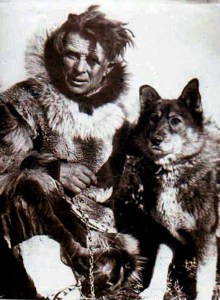
Leonhard Seppala

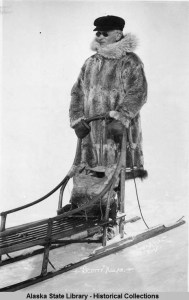
Sepp and TogoLeonhard Seppala, who would, like Scotty Allan, win three Sweepstakes championships, became a living legend in Alaska, and in his own autobiography, Seppala, Alaskan Dog Driver, written with Elizabeth Ricker, he described a harrowing event which took place during his first Sweepstakes race: “The wind drove us on at a great rate of speed. The snow was whirling in front of my face, suffocating me so that I could hardly get my breath at times. Judging by the time we had been on our way, I figured we ought now to be close to the coast, but I knew that unless I hit Allen Creek and Topkok cabin I should run a chance of falling over the cliffs which ran in succession along the shore.
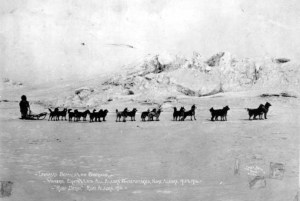
Sepp's Siberian Team“We were racing southward at a breakneck speed when suddenly there came a lull between puffs of wind and I saw that I was very close to some high, steep place, and as I peered ahead I could see way down below the ice hummocks of the Bering Sea. Suggen was close to the edge of the precipice. I jammed both feet on the brake as we sped downward headed for destruction, but the crust was icy and smooth and I was not able to hold the team. I brought out my emergency steel bar and rammed it into the crust through the hole in my brake made for that purpose, bringing the dogs to a standstill. By that time we were on a steep incline close to the edge of the cliff. I tried to call Suggen back to turn the team, but the wind, which was now blowing furiously again, made it hard for him to hear.

Leonhard Seppala

“Finally Suggen responded and tried to swing the team, but the young dogs wanted to go with the wind. My first plan was to leave the dogs and the sled and crawl up to safety, but it was so slippery on the crust that my Eskimo mukluks could get no hold, and the more I thought it over the less I could consider leaving my dogs to face such a tragic fate. I thought that perhaps by scrambling up the hillside I might be able to see landmarks, but as soon as I climbed a few feet the wind blew me back to the sled, and my several attempts proved utterly useless. Apparently our fate rested with Suggen. I saw the ice hummocks several hundred feet below, and I thought with horror of what would happen if the steel bar gave way. But the crust was hard an so far it still held. I pictured my sled, my dogs, and myself falling down the two-hundred-foot precipice to the rocks below. It had often happened that people had been lost here and were never heard of until the snow left in the spring, when they were found frozen and mangled on the rocks and ice hummocks.
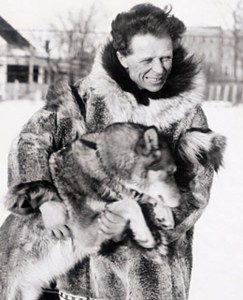
LeonardSeppala“I spoke again to Suggen, still trying to call him back to me. He did his best to respond, making several efforts to turn, but still the young dogs refused. I kept shouting, and finally the four dogs behind him got the idea, and as Suggen turned the others followed. To my great relief I saw that little by little the whole team was turning, scrambling back up the hillside, digging their claws into the crust, headed toward safety. By some miraculous chance they were able to pull the sled and me up the incline, but I had no feeling of safety until I reached the top, for it seemed that at any moment the strong wind blowing against them might send them sliding back over the precipice. I kept shouting words of encouragement as every dog scratched and pulled, while I used my steel bar to push the sled along–and at that it was slow progress.”

Posted in Alaska History | Tagged , , , , , | 2 Comments

Alaskan Roadhouses Review

Screen Shot 2016-01-15 at 1.21.00 PMThe Anchorage Press features a great review of my latest book, Alaskan Roadhouses, in the January 14 issue. I love what David Fox wrote about my book: “In Alaskan Roadhouses, Helen Hegener reconstructs the scant history of these establishments and the people and dogs who made their existence possible.

Alaska Dogteam b:w“She tells us as much about the travelers who foraged from one roadhouse to the next as the roadhouses themselves. These pioneers were beyond hearty. Braving sub-arctic temps and trails that defied logic, they walked along with, or ahead of their dog teams, 20 to 30 miles per day, without surcease. They pushed past blistered feet (treated with coal oil) twisted ankles and fingers and toes frosted just this side of hypothermia. What shines through—one indelible portrait after another—is their sheer exuberance for life. Their words leap from the page, so vibrant their zeal for life you can hear them as you read their words.”
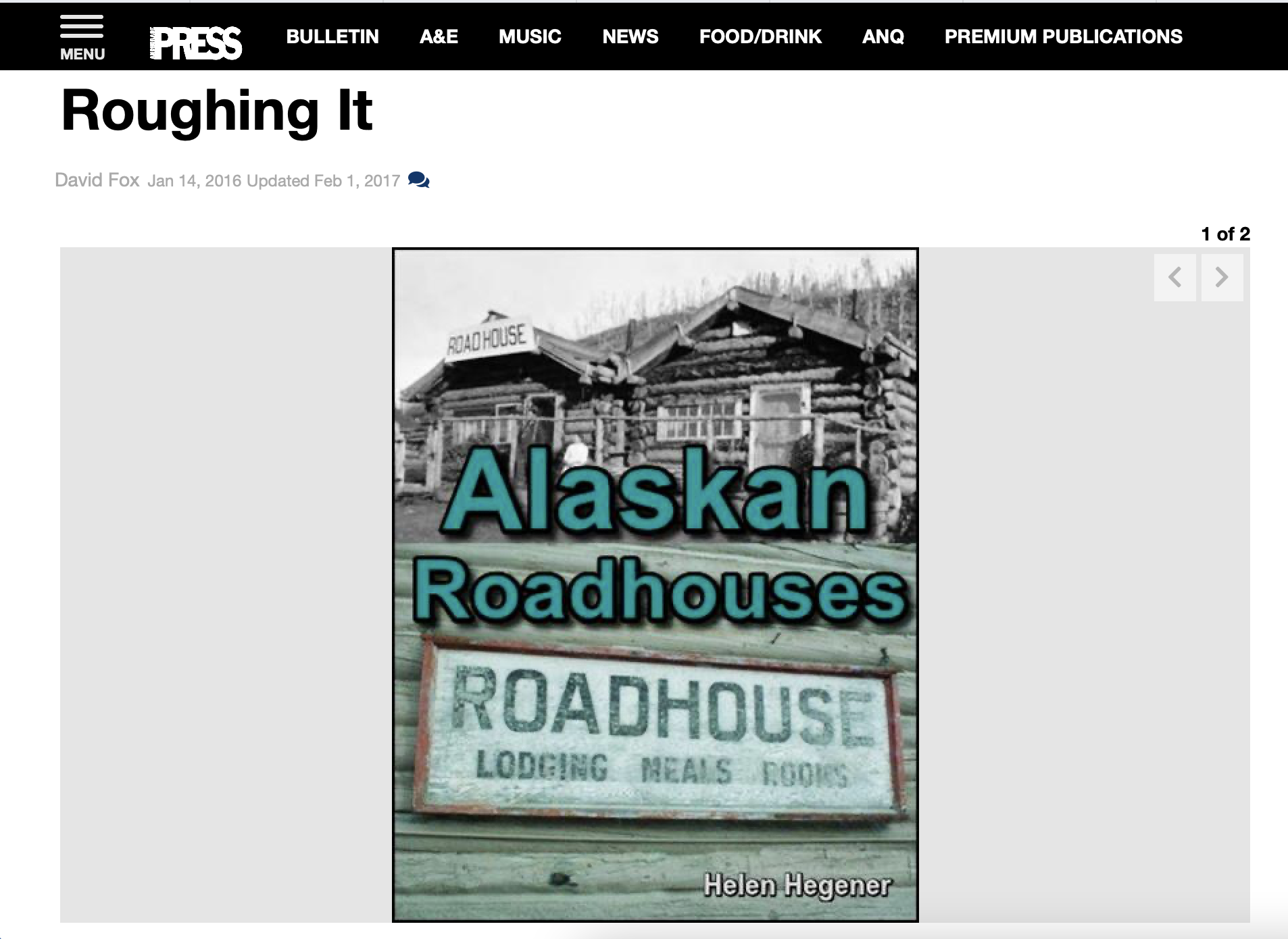
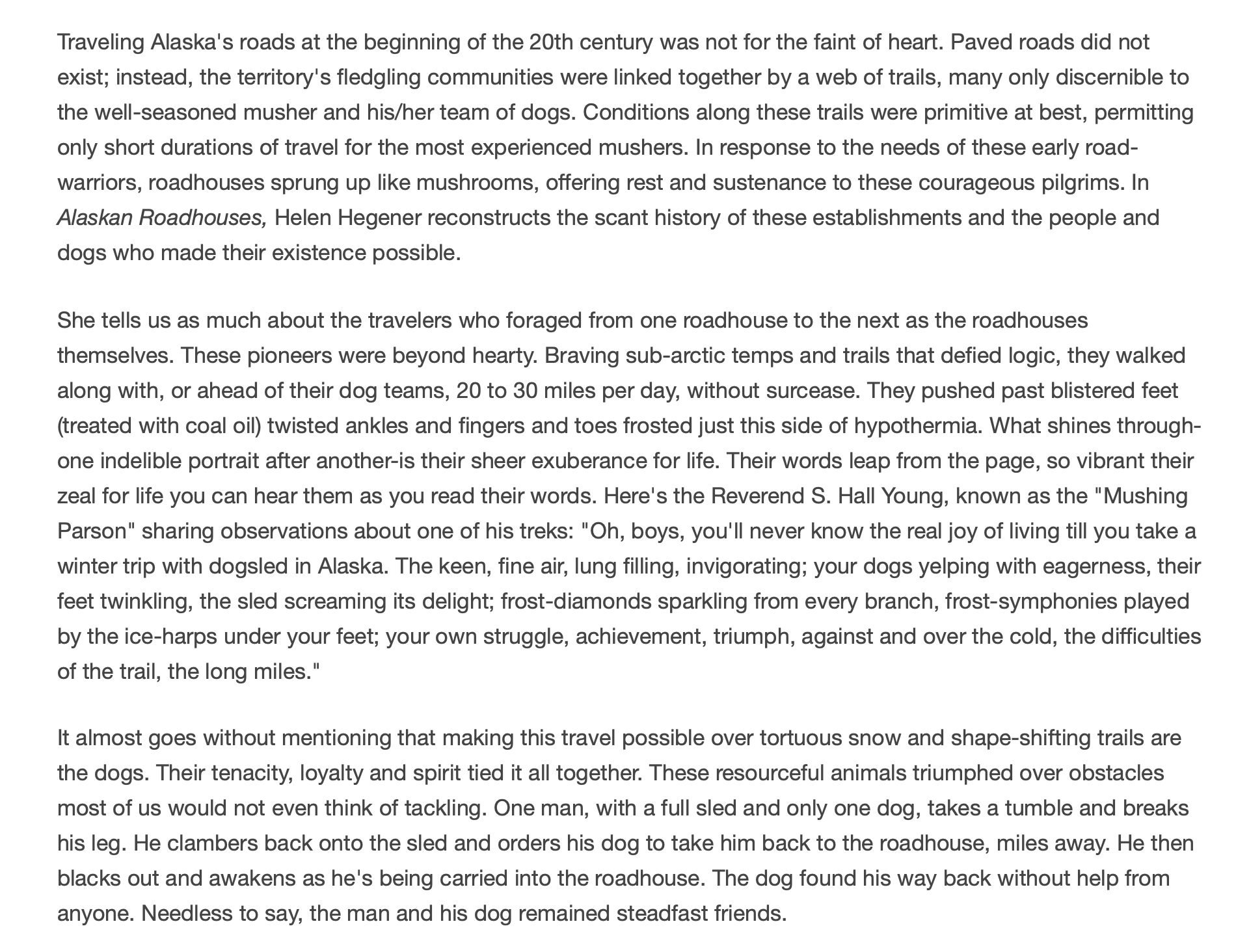
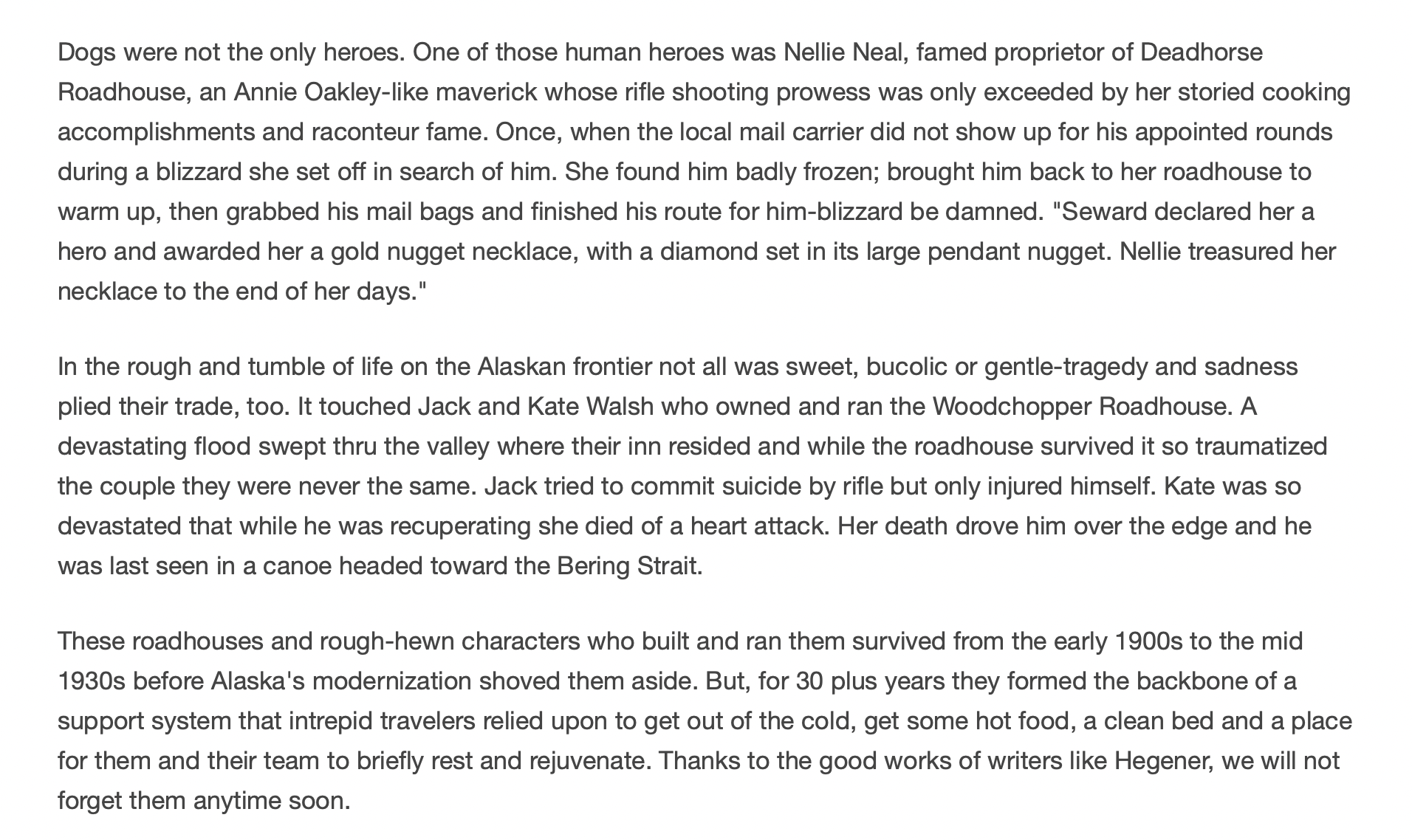
David Fox then includes one of my favorite quotes from the Reverend Samuel Hall Young, who was known all across Alaska as the “Mushing Parson.” Screenshots of the review are below.

You can visit this link to order your own copy of Alaskan Roadhouses.


Posted in Alaska History, Book Reviews, Books, News & Information | Tagged , , , , , , , , , , , , , , , , , , | Leave a comment

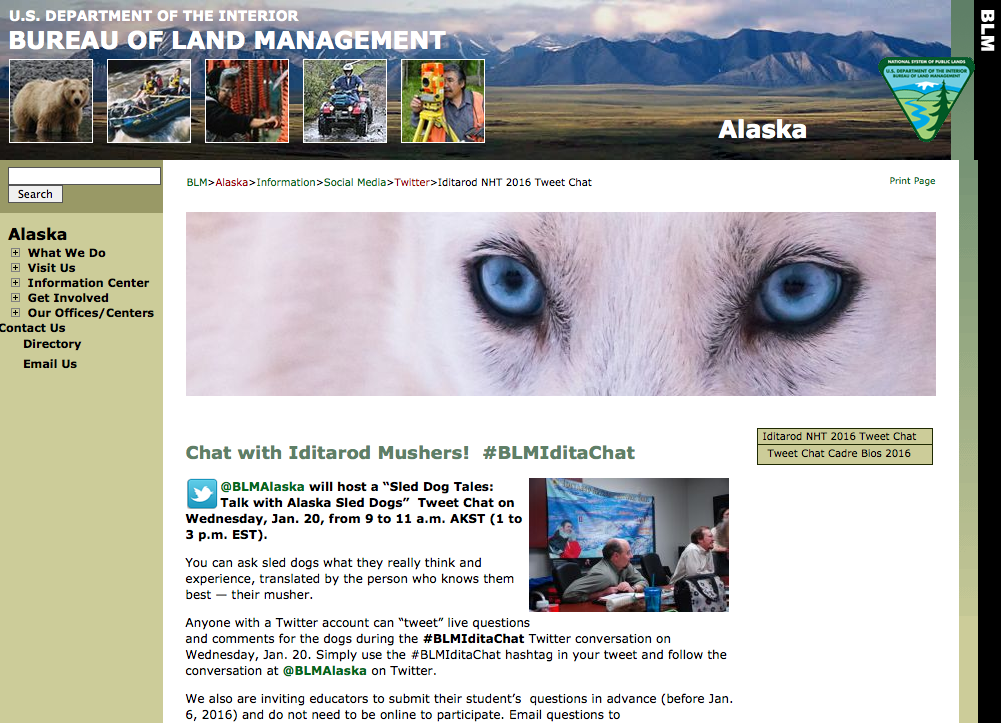
BLM IditaChat

Screen Shot 2015-12-15 at 9.35.32 AM

Northern Light Media is co-sponsoring the 2016 IditaChat from BLM Alaska:

@BLMAlaska will host a “Sled Dog Tales: Talk with Alaska Sled Dogs”  Tweet Chat on Wednesday, Jan. 20, from 9 to 11 a.m. AKST (1 to 3 p.m. EST).

This year’s BLM IditaChat mushers include Aliy Zirkle, Zoya DeNure, Jodi Bailey, Dan Kaduce, Cindy Abbott, Bonnie Foster (with her dogs!) and Julie Capps!

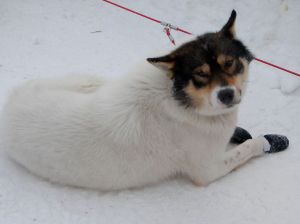
Beringia dogYou can ask sled dogs what they really think and experience, translated by the person who knows them best — their musher.
Anyone with a Twitter account can “tweet” live questions and comments for the dogs during the #BLMIditaChat Twitter conversation. Simply use the #BLMIditaChat hashtag in your tweet and follow the conversation at @BLMAlaska on Twitter.

During the Tweet Chat the history and culture of Iditarod National Historic Trail and recreation opportunities will be covered. Mushers and their dogs will answer questions from the public and classrooms.

You can read the bios of the IditaChat participants, the Tweet Chat Cadre!

Resources for Tweet Chat

Posted in News & Information | Tagged , , , , , , , | Leave a comment

The Yukon Quest Trail

Susan Roggan into Dawson

Sled dogs coming into Dawson City photo: Scott Chesney/Talespin Media

Update: A good commentary on the 2016 field of 25 mushers from two-time Yukon Quest Champion John Schandelmeier.

The 2016 Yukon Quest International Sled Dog Race will start February 6, 2016, in Fairbanks, Alaska, when 25 mushers and their dog teams will start the 1,000-mile journey to the city of Whitehorse in Canada’s Yukon Territory. Known as ‘The World’s Toughest Sled Dog Race,’ it’s an event like no other, crossing four mountain ranges, including the dangerous and intimidating 3,685-foot Eagle Summit, as it loosely follows the course of the mighty Yukon River.

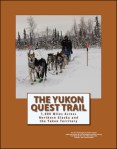
The Yukon Quest Trail, by Helen Hegener, takes readers checkpoint by checkpoint from Fairbanks to Whitehorse, an extraordinary journey in which the author shares the incredible history of both the race and the wild and beautiful land it crosses. Over 180 photographs by the author and by noted photographers Eric Vercammen and Scott Chesney provide an unparalleled look at the trail, the mushers, the dogs and more. Also included are Trail Notes for Mushers, detailing the route in both directions, compiled by two-time Yukon Quest Champion John Schandelmeier.

YQ Front CoverThe Yukon Quest Trail: 1,000 Miles Across Northern Alaska and the Yukon Territory, text and photographs by Helen Hegener, additional photos by Eric Vercammen and Scott Chesney; with Trail Notes for Mushers, by two-time Yukon Quest Champion John Schandelmeier. Published December, 2014 by Northern Light Media. 151 pages, 8.5″ x 11″ full color format, bibliography, maps, indexed. $29.00 (plus $5.00 shipping and handling). Click on the cover image to order or visit the Northern Light Media website. Postal orders can be mailed to Northern Light Media, Post Office Box 870515, Wasilla, Alaska 99687-0515.


Posted in Books, Sled Dog Races | Tagged , , , , , , , , , , , , , | Leave a comment

BLM Alaska Sled Dog History

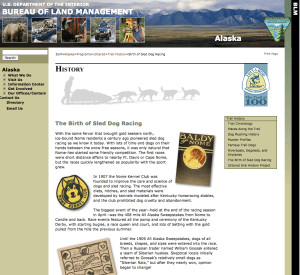
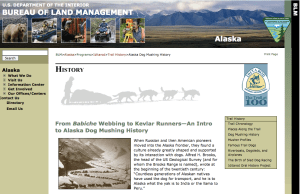
Screen Shot 2015-12-29 at 10.23.12 AMAn in-depth and interesting series of articles about the history of mushing in Alaska can be found at the BLM Alaska web site, including the article, From Babiche Webbing to Kevlar Runners—An Intro to Alaska Dog Mushing History. The emphasis is on the Iditarod Trail, as under the National Trails Act, the Bureau of Land Management  is the designated Trail Administrator for the Iditarod National Historic Trail, “a 2,300-mile system of winter trails that first connected ancient Alaska Native villages, opened up Alaska for the last great American gold rush, and now plays a vital role for travel and recreation in modern day Alaska.”

BLM Alaska maintains about 150 miles of the Iditarod trail, including five public shelter cabins. A good explanation of trail ownership and management can be found on this page. In short, “No one entity manages the entire historic trail – management is guided by a cooperative plan adopted in the mid-1980s.

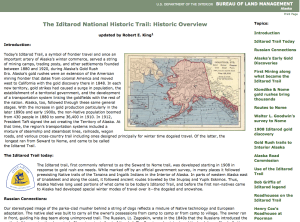
Screen Shot 2015-12-29 at 10.39.56 AMIn conjunction with their caretaking responsibilities, BLM Alaska maintains a wonderful page relating to the historic Iditarod Trail. An in-depth historic overview includes details about the surveying and improvement of the trail, early roadhouses and mining camps, use of the trail as a winter mail route, and some of the colorful mushers who traveled it such as Bob Griffis and Harry Revell.

Screen Shot 2015-12-29 at 11.16.10 AMThe section on dog mushing history includes a sidebar highlighting places along the trail such as Seward, Anchorage, Knik, Iditarod, and Nome; brief profiles of mushers such as Oscar Tryck, Jujiro Wada, and the Nollner Brothers; travel via dogteam, riverboat, and airplane; and a good explanation of the race behind the birth of sled dog racing, Nome’s famed All Alaska Sweepstakes, a 408-mile event which patterned itself after the Kentucky Derby and made household names of champions Scotty Allan and Leonhard Seppala.

Most interesting to this reader is the Iditarod Oral History Project, with recordings and transcripts of many people who have lived and worked along the historic Iditarod Trail. From the early days of the mining camps at Flat and Iditarod to the mushers who ran the 1925 Serum Run, from working on the riverboats to running the roadhouses along the trail, these first-hand accounts are the purest form of history.

Be sure to also check out BLM Alaska’s page on the 2016 Idita-Chat!

Screen Shot 2015-12-29 at 11.20.55 AM


Posted in Alaska History | Tagged , , , , , , , , , , , , , , , , | 1 Comment

Along Alaskan Trails

AATCOVER-241x300Along Alaskan Trails, Adventures in Sled Dog History, by Helen Hegener, is a collection of true stories about Alaskan sled dogs and the role they played in the development of the north, with dozens of historic photos from the archives of the Alaska State Library, the University of Alaska Fairbanks, and other sources.

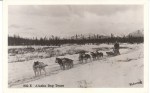
The history of Alaska was in large part written behind a team of sled dogs. Or, more accurately, thousands of teams of sled dogs. Man’s dependence on these canine workhorses of the north can be seen in photo after photo: A dog team carrying passengers on the Richardson Trail, a dog team hauling freight across the Iditarod Trail, two dog teams loaded with the U.S. Mail and bound for Anchorage from Seward, a dog team on patrol from Fort Gibbon near Eagle, a dog team making its way along the frozen Yukon River to the next missionary stopover…

U.S. Mail team on the Yukon River. Photo: University of Alaska Fairbanks, John Zug Collection UAF 1980-68-252Among the tales shared in this book is the story of an intrepid Japanese musher who blazed a wide swath across Alaska, an Archdeacon who wrote the classic Ten Thousand Miles with a Dogsled, legendary mushers such as Scotty Allan and Leonhard Seppala, Arctic explorers like Ernest de Koven Leffingwell, and intrepid adventurers like Slim Williams and Mary Joyce.

And the dogs! From Baldy to Balto, Togo to Wolf, Chinook to Rembrandt, these are the dogs who blazed across Alaskan trails and into the history books. From the fiercely-argued conflict between sled dogs and reindeer, to the spooky apparitions along the Iditarod Trail, this book captures the fascinating stories of the dogs of the north.

Ben Atwater arriving at Lake Bennet from Circle City with U.S. Mail, 1909.The history of Alaska would be very different without the criss-crossing trails of thousands of sled dog teams. Sifting through hundreds of photos of Alaskan dog teams makes clear their important role in the history of the northland. Before cars and trucks, there were sled dogs. Before ships, trains, and airplanes, there were sled dogs. In every part of this great land, from the misty fjords of southeastern Alaska to the farthest northern tip of the continent, sled dogs were the most dependable – and often the only – form of transportation. The dog team made travel and moving loads over otherwise impassable trails possible. In The Cruelest Miles (2003, W.W. Norton & Co.) Gay and Laney Salisbury wrote: “On the Alaskan trail, sled dogs becsme partners in a game of survival. Drivers depended on their dogs so that they could make a living as freighters, mailmen, and trappers, and relied on the animals’ skill and intelligence to get them safely across the rough, dangerous terrain.”

Along Ak Trails Buy NowNow their stories are gathered and shared in this splendid collection of well-researched essays and historic photographs.

Along Alaskan Trails, Adventures in Sled Dog History, by Helen Hegener. Published in July, 2012 by Northern Light Media (ISBN 978-0-9843977-2-3). $19.00 postpaid (US only, foreign orders please use Amazon). To order via check or money order, mail to Northern Light Media, PO Box 870515, Wasilla, Alaska 99687. To order via credit card or Paypal, CLICK HERE and or on the book image and send payment to helenhegener@gmail.com

Posted in Alaska History, Books | Tagged , , , , , , , , , , , , , , , , , , , , , , , , , , , , , , , , , , , | Leave a comment

NLM Books at IndieBound

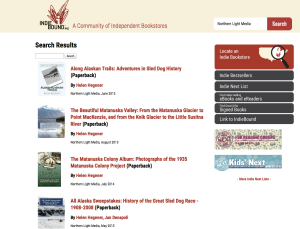
Screen Shot 2015-12-23 at 11.06.55 AMAll eleven of the books published by Northern Light Media are available at your local independent bookstore or bookseller, easily found through the online search engine at IndieBound, a marketing program of the American Booksellers Association.

IndieBound supports independent bookstores across North America. Simply enter your zipcode and IndieBound will search for and present local independent bookstore addresses, and will also offer an option to purchase the book online. In addition, IndieBound offers the monthly Indie Next List, drawn from bookseller-recommended favorites, epitomizing the heart and soul of passionate bookselling, and the weekly Indie Bestseller Lists, the most current snapshot of what titles are selling in indie bookstores nationwide.


Posted in Uncategorized | Leave a comment

The All Alaska Sweepstakes

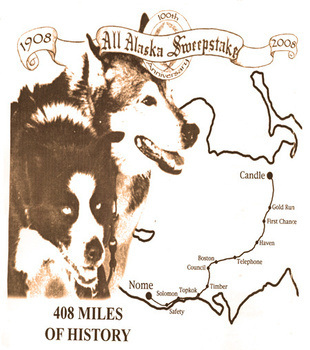
team-trail-all-alaska-sweepstakes-map-12-14-09The colorful history and the enduring legacy of the All Alaska Sweepstakes, the oldest organized distance sled dog race in the world, includes records kept by the Nome Kennel Club dating back to the first race in 1908. The race route was from Nome, on the south side of the Seward Peninsula, to the small community of Candle on the north side and return, 408 miles over desolate terrain, following the telegraph lines which linked the precious few camps, villages and gold mining settlements on the Peninsula. This route’s established communication lines allowed those betting on the outcome to track the race more easily from the comfort of saloons like the famed Board of Trade in Nome, where the Nome Kennel Club had been founded the previous year.

A_A_Scotty_Allan_Nome

Scotty Allan

A.A. “Scotty” Allan described the route to Candle in his classic book Gold, Men and Dogs (G.P. Putnam’s Sons, 1931): “It was selected because the trail to it from Nome goes over all kinds of country, from sea ice to high mountains, with rivers, tundra, timber, glaciers, and everything else in the way of mental and physical hardships en route. We knew there wouldn’t be any doubt about the excellence of a dog or driver that covered it.”

With colorful drivers like “Scotty” Allan and Leonhard Seppala, who each won the race three times, the All Alaska Sweepstakes was an eagerly anticipated annual event until the gold mining dropped off and Nome’s population dwindled, along with local interest in sled dog racing. In 1983 the Nome Kennel Club sponsored the 75th Anniversary race, and Rick Swenson took home the $25,000.00 purse. Then, in 2008, for the 100th Anniversary of the event, the Nome Kennel Club offered the richest purse ever for a sled dog race: $100,000.00, winner take all.

jeffking

Jeff King, 2008 Sweepstakes

Several of Alaska’s best-known mushers entered the Centennial race, including Lance Mackey, Jeff King, Mitch Seavey, Sonny Lindner, Ramy Brooks, Jim Lanier, Cim Smyth, Aaron Burmeister, Ed Iten, Hugh Neff, and Mike Santos. And then there were the mushers who entered simply to be a part of the history of the race: Kirsten Bey, Cari Miller, Fred Moe Napoka, Connor Thomas, and Jeff Darling, whose musher profile noted that he’d entered “for the historical value and a chance to see some countryside he might not otherwise be able to see by dogteam.”

Mitch Seavey won the $100,000 purse for the 2008 race, and organizers and the Nome Kennel Club announced that would be the final running of the epic race, an event now consigned to the pages of Alaska’s colorful mushing history. In 2013 Northern Light Media published The All Alaska Sweepstakes, History of the Great Sled Dog Race, which told the story of the race and the sixteen Alaskan mushers who entered their teams in the Centennial running, each hoping to have their name engraved on the Sweepstakes trophy beside the great mushing legends John ‘Iron Man Johnson, ‘Scotty’ Allan and Leonhard Seppala.

Sweepstakes Buy NowAll Alaska Sweepstakes, History of the Great Sled Dog Race. Softcover 8.5″x 11″, published in 2013 by Northern Light Media. 160 pages, over 350 full-color photos. ISBN 978-0-9843977-0-9 • $24.00 plus $5.00 shipping from Northern Light Media.

Also available at Amazon, eBay, and your local independent bookstores.

Postal orders can be mailed to Northern Light Media, Post Office Box 870515, Wasilla, Alaska 99687-0515.


Posted in Alaska History, Books, Uncategorized | Tagged , , , , , , , , , , , , , | 1 Comment

2016 #BLMIditaChat

Screen Shot 2015-12-15 at 9.35.32 AM

Northern Light Media is co-sponsoring the 2016 IditaChat from the Bureau of Land Management:

@BLMAlaska will host a “Sled Dog Tales: Talk with Alaska Sled Dogs”  Tweet Chat on Wednesday, Jan. 20, from 9 to 11 a.m. AKST (1 to 3 p.m. EST).

You can ask sled dogs what they really think and experience, translated by the person who knows them best — their musher.
Anyone with a Twitter account can “tweet” live questions
and comments for the dogs during the #BLMIditaChat Twitter conversation on Wednesday, Jan. 20. Simply use the #BLMIditaChat hashtag in your tweet and follow the conversation at @BLMAlaska on Twitter.

We also are inviting educators to submit their student’s  questions in advance (before Jan. 6, 2016) and do not need to be online to participate. Email questions to blmalaska@blm.gov. Some of the conversation and photos will also run on the BLM Alaska Facebook page during the event. Links to the full #BLMIditaChat conversation will be posted on the agency’s social media and website after the #BLMIditaChat.

During the Tweet Chat the history and culture of Iditarod National Historic Trail and recreation opportunities will be covered. Mushers and their dogs will answer questions from the public and classrooms.

Remember to come view the Ceremonial Start of the 2016 Iditarod Sled Dog Race with other mushing enthusiasts at the BLM Campbell Tract in Anchorage, Saturday, March 7, 2015, 10 a.m. – 3 p.m.

Tweet Cadre

Read the Bios of all our tweeting mushers and dogs and BLM Iditarod National Historic Trail coordinator Kevin Keeler. Additional Bios coming soon!

Resources for Tweet Chat


Posted in News & Information | Tagged , , , , , , , , | Leave a comment

Slim Williams

Alaska Highway Trailblazer

TrailblazerPC

While his trip was sponsored by The International Highway Association of Alaska and the Yukon Territory, Williams still sold postcards such as this along his route. [Slim Williams Papers, UAF-207-59-17 University of Alaska Fairbanks]

Clyde “Slim” Williams arrived in Alaska in 1900 at the age of 18 and spent the next thirty years trapping, hunting, and blazing trails throughout the frontier. In the early 1930’s Williams became a strong proponent of the plan for a highway linking Alaska to the lower 48 states, and he boasted that he could drive his dog team along the proposed route and continue all the way to Chicago, Illinois, where the 1933 Century of Progress Exposition was planned as part of the World’s Fair, celebrating man’s innovations in architecture, science, technology and transportation. The Alaska Road Commissioner, Donald MacDonald, persuaded Williams that such a trip could be used to promote the building of an Alaska highway, and so in 1933 Slim traveled down the proposed route by dogsled, using only crude maps in what was previously unmapped territory.

WhiteRoadhouse

Leaving the White Roadhouse on Indian River on the way to U.S., 1933 [Slim Williams Papers UAF-2007-59-11 University of Alaska Fairbanks]

    An article for the Uniontown News Standard reported on December 11, 1933, “He started from Copper Center, November 20, 1932, without stove, tent or compass and with only the stars, the trees and the sun to guide him. His route carried him through Dawson City, White Horse, Atlin and Telegraph Creek and after covering 1800 miles through the wildest sections of Alaska and British Columbia he reached civilization at Hazelton, B.C. On sections of this trip he traveled as far as 500 miles without seeing one human being. Cooking over an open fire and sleeping in his sled were part of the journey which was tinged with tragedy when the wolves along Forty Mile river killed one of his favorite dogs.”
MuddySled

Slim’s wheeled sled in the mud between Smithers and Prince George, B.C. [Slim Williams Papers UAF-2007-59-15 University of Alaska Fairbanks]

    It took Williams five months to reach the end of the then-existing highway system near Hazelton, British Columbia. When spring thawing made sledding impossible, he mounted four Model T Ford wheels on his dogsled in Smithers, B.C. and continued toward the Chicago World’s Fair. By the time he reached Seattle, Williams and his wolf-dog team had become celebrities. Articles about his overland trek appeared in Time magazine, The Washington Post, The Christian Science Monitor and many others.

ChicagoPC

Slim with his team at the Chicago Century of Progress Exposition, 1933 [Slim Williams Papers UAF-2007-59-5 University of Alaska Fairbanks]

    In Chicago, Williams and his dogteam made a popular Alaskan exhibit at the Century of Progress Exposition. A Time magazine article (October 2, 1933) reported that when former President Herbert Hoover visited the fair he chatted with Williams, and First Lady Eleanor Roosevelt described her meeting with Slim Williams as the most enjoyable part of her visit. A lecture brochure noted: “upon returning to Washington she told newsmen that what she liked best was a tall young man with blue eyes that looked miles away, who had driven his dog team all the way from Alaska.”

RembrandtPC

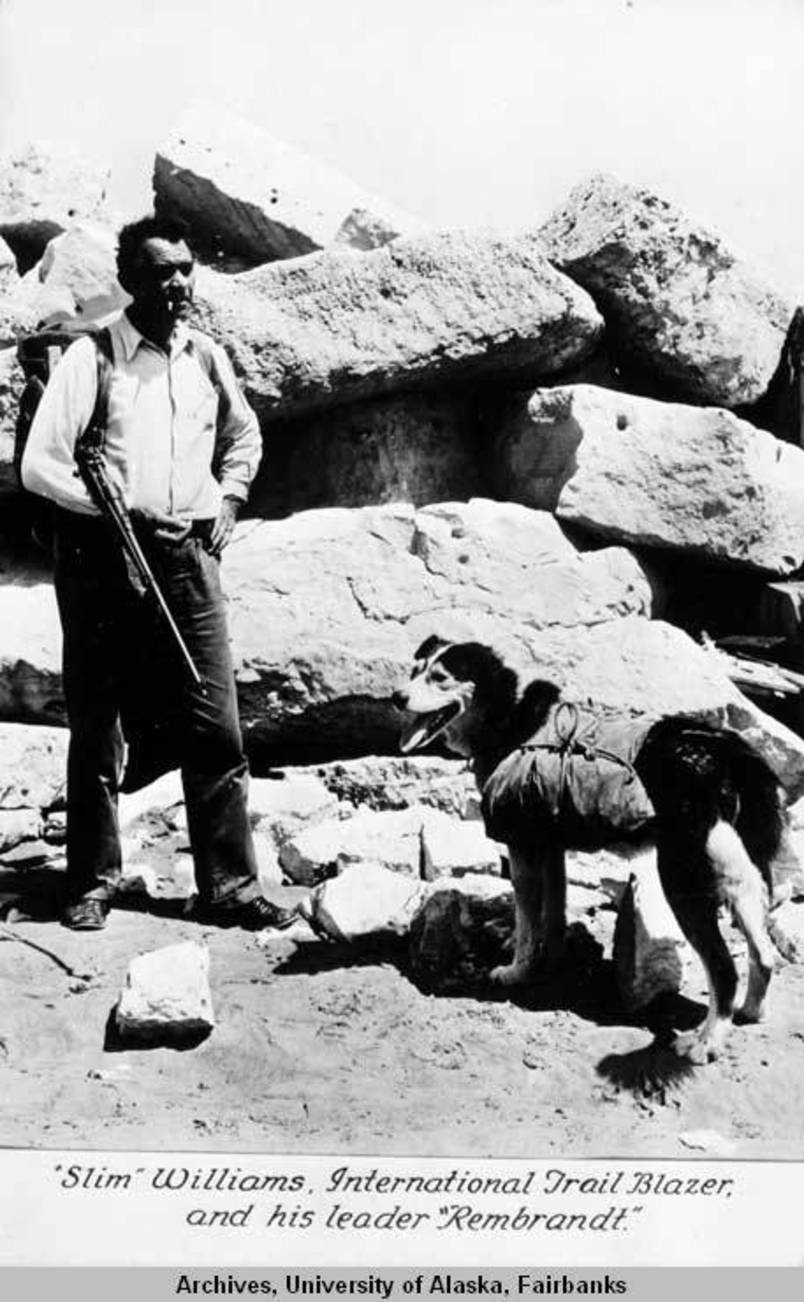
Slim Williams with his leader “Rembrandt.” When asked about his name Slim replied, “Well, isn’t he a picture?” [Slim Williams Papers UAF-2007-59-16 Univ of AK Fairbanks]

    After the World’s Fair closed for the season, Slim and his team of half-bred wolf/dogs proceeded to Washington, D.C., bringing the total distance of his journey by dogteam to over 5,600 miles. He camped in a city park and spent the winter discussing Alaskan concerns with legislators, and even met with President Franklin Roosevelt to further promote the highway. Williams enjoyed a dinner with the President and the First Lady, still advocating for the proposed road. The President finally did set up a commission with Canada to explore building a highway to Alaska, but while the project was considered feasible it was deemed too costly and unnecessary at that time.
Later in life, Slim traveled around the country with his wife doing presentations and slideshows, and he enjoyed success as a popular lecturer, as described in the text of a lecture brochure: “The Adventurers Club of Chicago, where all famous explorers speak, say his talk is one of the most fascinating and thrilling they’ve had in years.”
In 1956 an authorized biography of Slim Williams’ adventures was published by Richard Morenus: Alaska Sourdough: The Story of Slim Williams. The book detailed Slim’s 1933 solo dogsled adventure, and also his 1939 trip from Fairbanks to Seattle by motorcycle with 25-year-old John Logan. Their goal was the New York World’s Fair, and just as with Slim’s 1933 trip, the purpose was to gain publicity for the need to build a road connecting Alaska to the rest of the United States. At that time, there still wasn’t even a crude trail to follow for over 1,000 miles of the journey, so the adventurers crossed the wide rivers and daunting mountains in whatever manner they could, and their much-publicized journey once again spotlighted Alaska’s need for a road to the 48 states.
In early 1942, when World War II made an overland route necessary, President Roosevelt signed the authorization, and on November 20, 1942, at Soldier’s Summit near  Kluane Lake, a ceremony marked completion of the first phase of construction. Today the road is a major artery to the north, and the Alaska Highway project is still heralded as one of the greatest engineering feats of the twentieth century.   ~•~

Excerpted from Along Alaskan Trails, Adventures in Sled Dog History, by Helen Hegener, published by Northern Light Media


Posted in Alaska History | Tagged , , , , , , , | 2 Comments