
Featured in this issue of Alaskan History Magazine is an excerpt from Will Hudson’s classic 1937 book ‘Icy Hell,’ detailing the harrowing overland journey he and several others made across the Brooks Range to the village of Fort Yukon when their ship ‘Polar Bear’ was trapped in the polar ice pack in 1913. Hudson was the first still photographer on the staff of the Seattle Post-Intelligencer, and—having discovered the magic of motion picture filming—he had been invited to come along as the official cinematographer for the expedition. The trip proved to be far more adventurous than Hudson had bargained for.
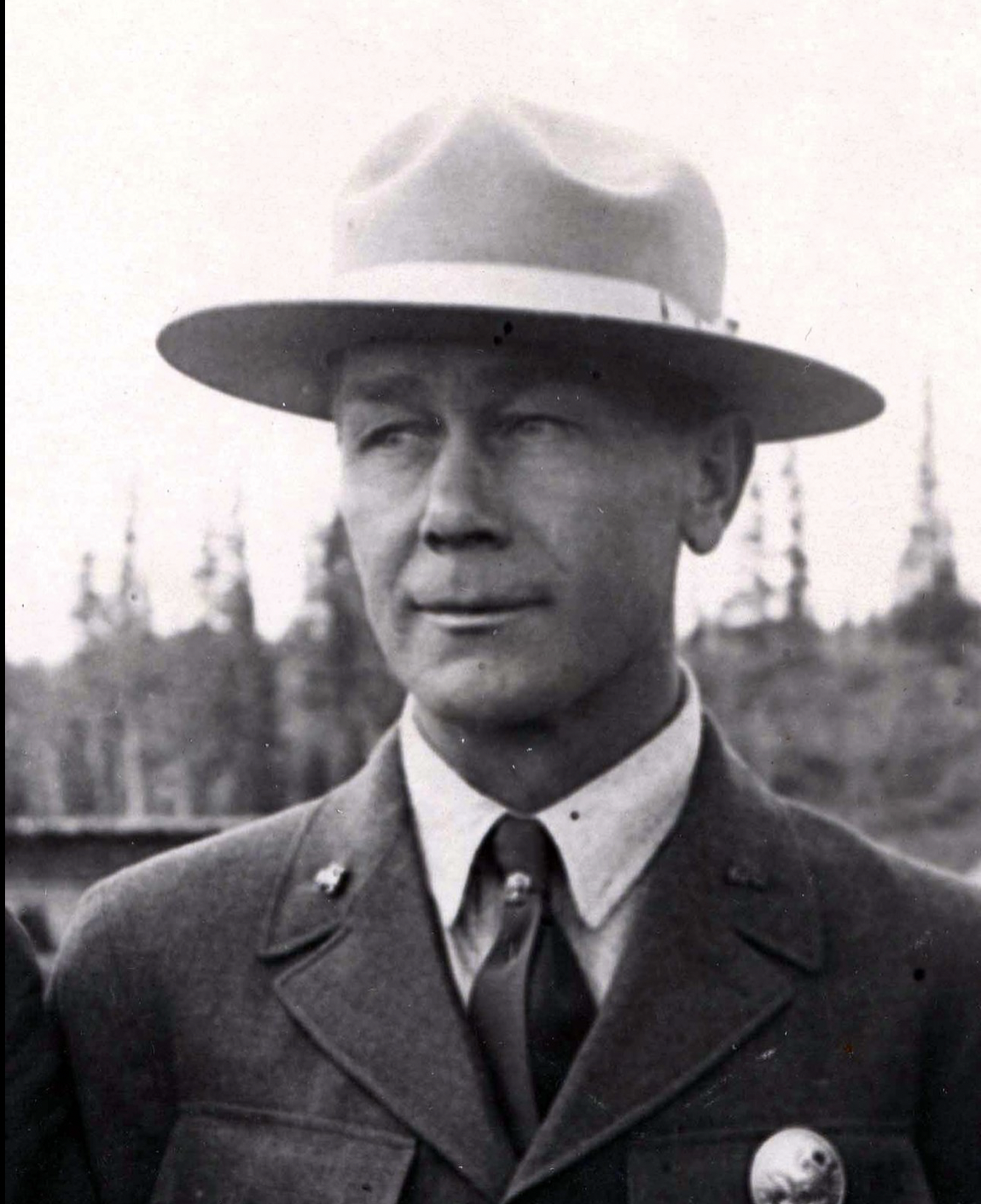
Also in this issue: The friendship between Charles Sheldon and Harry Karstens, and the roles they played in the beginnings of Denali National Park, which is an edited excerpt from the newest book published by Northern Light Media, Denali: The Peak and The Park, by Lew Freedman. Charles Sheldon was a wealthy man with a scientific bent who took a particular interest in bighorn sheep, both from a hunting perspective and a scientific approach. He needed a guide who knew the country, and was steered toward a young man named Harry Karstens. It was a fortuitous match.
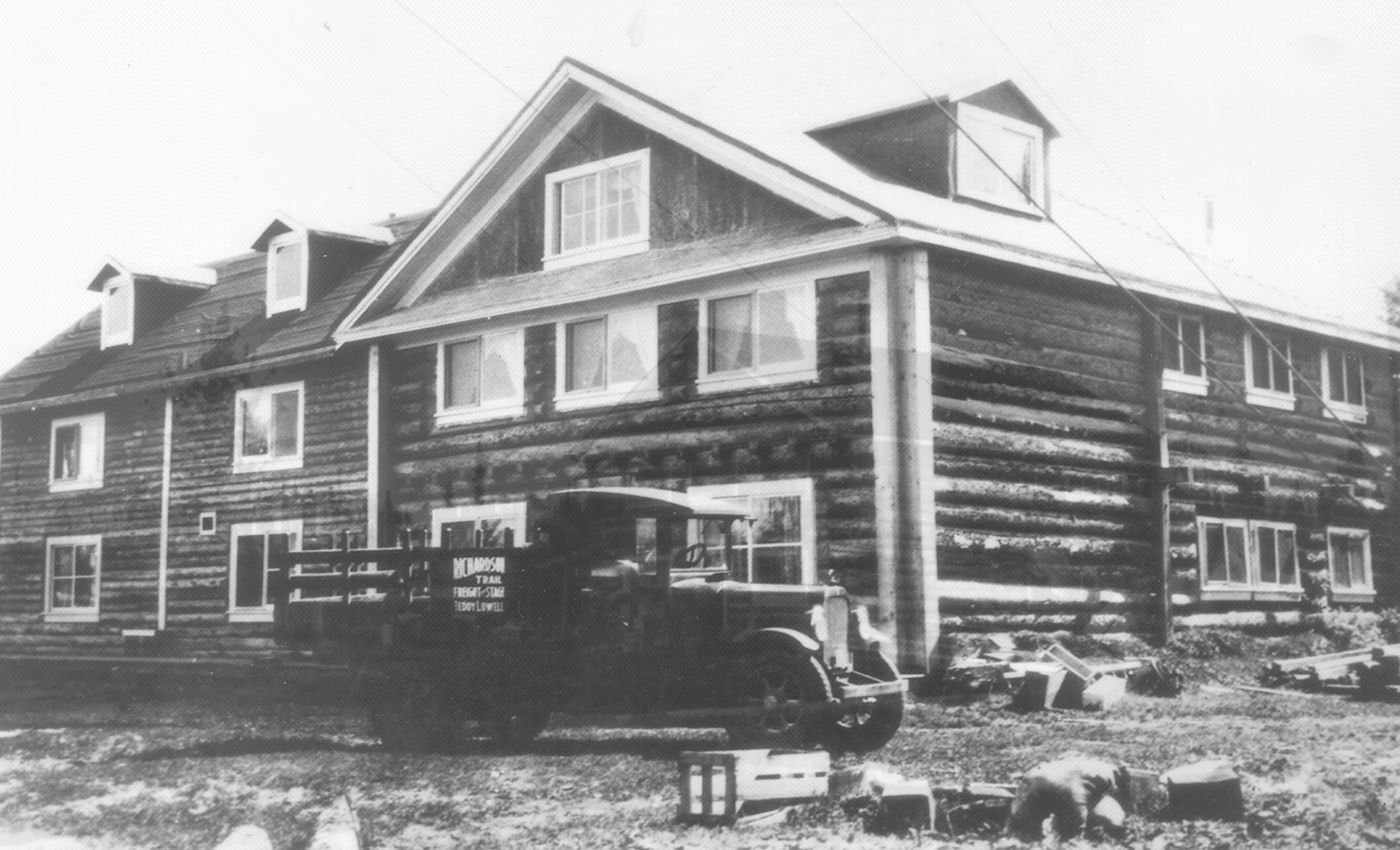
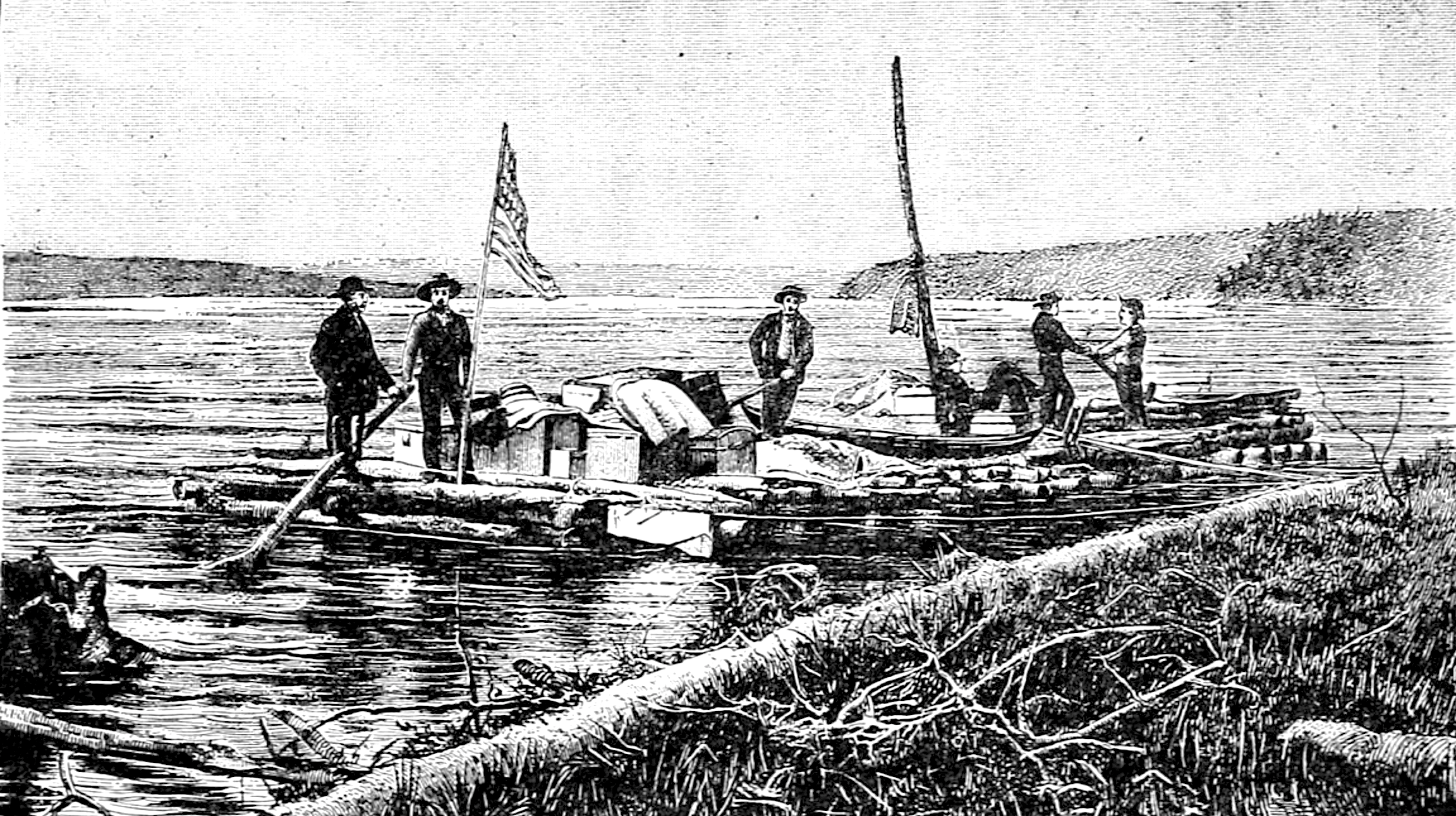
More in this issue: The history of Rika’s Landing Roadhouse on the Richardson Trail, the beginnings of which Judge James Wickersham wrote in a description in his diary, dated March 4, 1905: “The trading post is on the bank of the Tanana, about 1/4 mile above the mouth of the Delta River.” The travels of Lt. Frederick Schwatka in 1883 is excerpted from The Frozen North: An Account of Arctic Exploration for Use in Schools, by Edith Horton, published by D.C. Heath & Co., Boston, in 1904. The beautifully-illustrated primer aimed to educate young readers about the explorations of the still-mysterious Arctic regions. Lt. Schwatka, who had degrees in medicine and law, was sent by the U. S. Army to reconnoiter the Yukon River; crossing the Chilkoot Pass, his party built rafts and floated more than 1,300 miles down the Yukon River to the Bering Sea.
The history of barns in Alaska, from small trailside dog barns to the soaring constructions of the federal government, includes many photographs of these great reminders of a time when animals—dogs, cows, oxen, horses, mules—worked to provide freighting, transportation, mail delivery, dairy goods and more. Wrapping up this issue is the history of Juneau, told via excerpts from a 1920 article in The Pathfinder, a journal published by the Pioneers of Alaska. An excerpt: “Juneau is 900 miles north of Seattle and is the metropolis as well as the capital of Alaska. Except for the narrow confines of Gastineau Channel, Juneau is wholly surrounded by towering mountairs that for physical grandeur and majestic beauty are unsurpassed in America and unexcelled in the whole world. Many of her mountain peaks have never been crested by animal life except that of the eagle’s wing.”












 Northern Light Media