
The September-October, 2025 issue of Alaskan History Magazine, Vol. 4, No. 5, features a wide variety of articles, beginning with the cover story about Alaska’s premier painter, Sydney Laurence, whose artwork can be found in museums, businesses and homes all across Alaska and far beyond. Laurence lived an adventurous life, but also one of misfortune and tragedy, and he earned his hard-won reputation as Alaska’s foremost painter of Mount McKinley/Denali. But Laurence was also a photographer for the Alaskan Engineering Commission (AEC), documenting the construction of the Alaska Railroad and the development of the town of Anchorage from the tent city on Ship Creek. Laurence was with the AEC surveyors on a 1915 trip up Knik Arm to the Matanuska River, and photos from that trip are included in this issue.
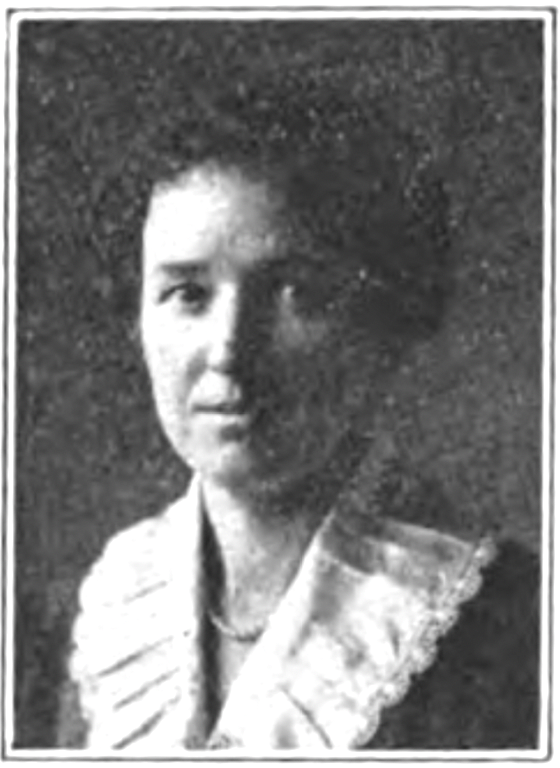
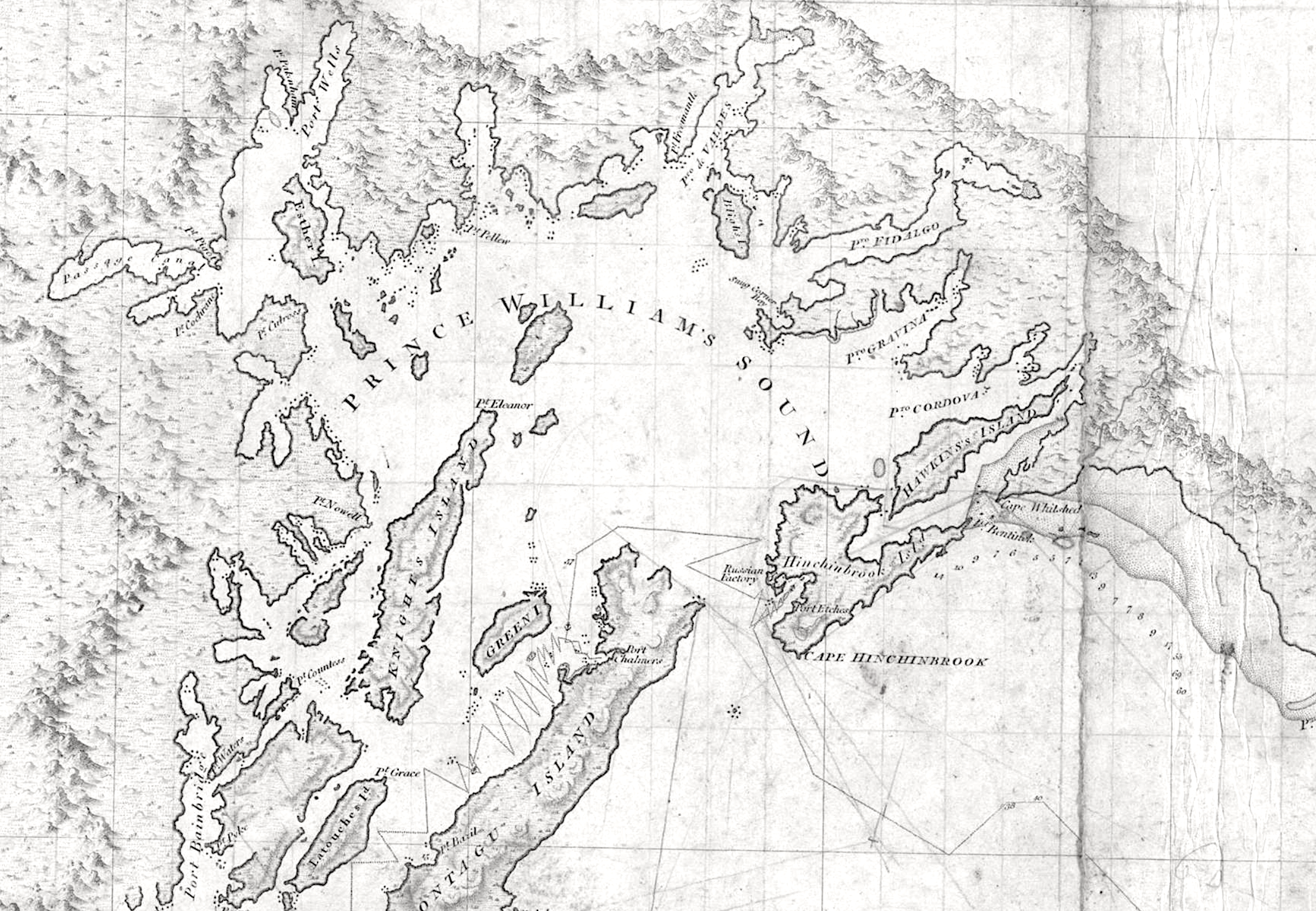
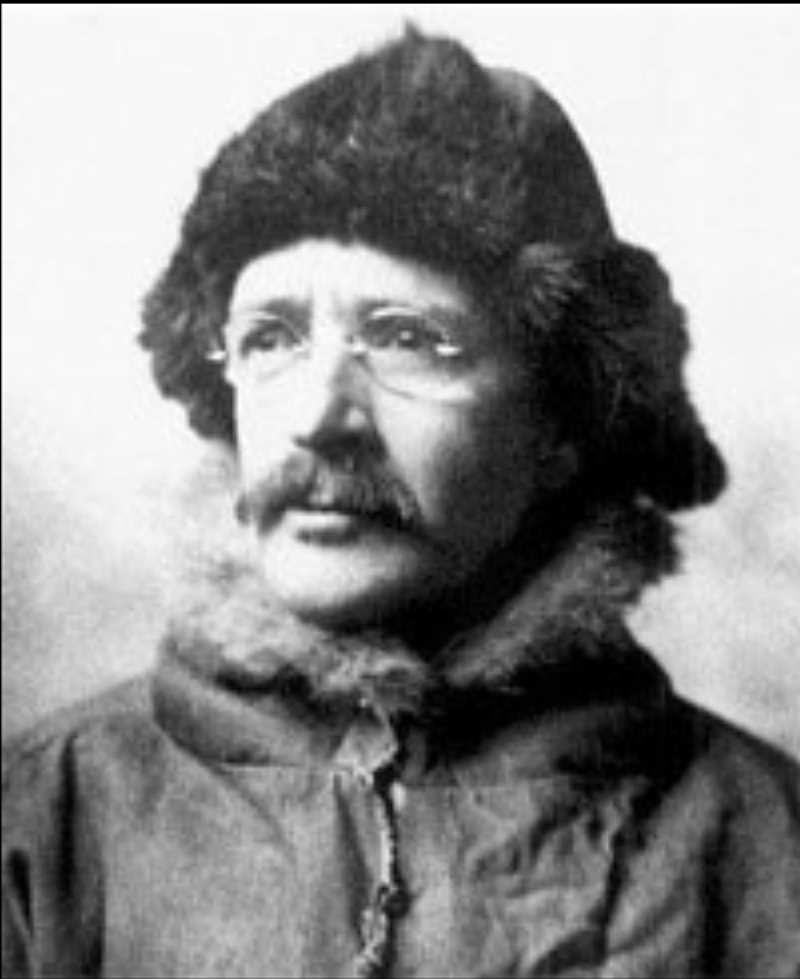
Another feature article in this issue shares the social and political history behind the New Deal, which brought the Matanuska Colony Project to Palmer in 1935. The article explains how many of the ideas of the planners in Washington were out of line with the hard facts and conditions in Alaska, and why, contrary to popular belief, the government’s resettlement program was never intended to produce a community of self-sufficient farmers. Other articles in this issue include the writing of pioneer Emily Craig Romig, wife of the famed ‘dog-team doctor,’ Joseph H. Romig, about her adventures in Nome during the Gold Rush. Community profiles ‘Ruby: Gem of the Yukon’ and ‘The Naming of Cordova’ both describe the histories of their respective places, while an article reprinted from a 1919 issue of “The Pathfinder” introduces two of the earliest Anchorage pioneers, J.D. ‘Bud’ and Daisy Whitney, who homesteaded on Ship Creek.
The last article in this issue explains the background of the Bureau of Indian Affairs (BIA) in their often misguided attempts “to enhance the quality of life, to promote economic opportunity, and to carry out the responsibility to protect and improve the trust assets of … Alaska Natives.” With a checkered past and an increasingly uncertain future, the BIA still plays a large role in the lives of the First Peoples of Alaska.














 Northern Light Media