
From Alaskan History Magazine, Volume 5, Number 2
In Alaska and the Pacific Northwest, salmon are a keystone species, playing a critical role in maintaining the structure of the ecological community, affecting many other organisms in an ecosystem and helping to determine the types and numbers of various other species in the community. Without such a keystone species, the ecosystem would be dramatically different, or cease to exist altogether.
Commercial salmon canneries had their main origins in California and in the Pacific northwest, especially on the Columbia River, but by the 1920s the principal canneries had shifted their efforts to the wealth of salmon in Alaska. The Alaska Packers’ Association (APA) was a San Francisco-based manufacturer of Alaska canned salmon founded in 1891. As the largest salmon packer in Alaska, with canneries that stretched from Bristol Bay to the Southeast Alaska panhandle, the member canneries of APA were active in local affairs, and had considerable political influence.
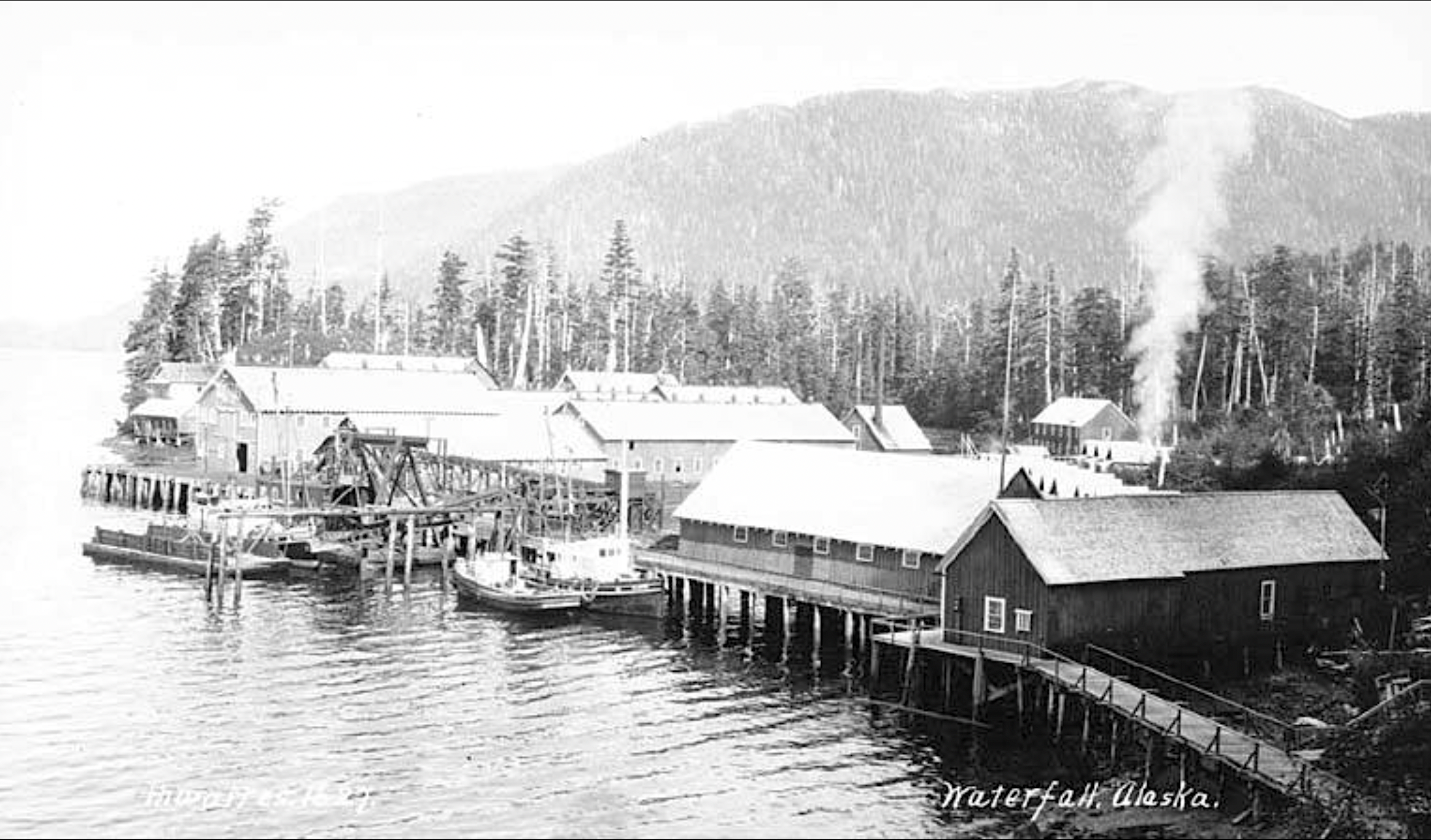
By 1940 salmon was the largest industry in Alaska and produced over 80% of the territory’s tax revenues, even though fish numbers were already starting to significantly decline for the reasons named in the HAER survey, and due to a general downturn in salmon survival caused by a change in long-term climate cycles. Fish company lobbyists still put political pressure on the politicians in the territorial capital of Juneau and in Washington D.C., where the fishery was regulated by the Bureau of Commercial Fisheries in the U.S. Department of Commerce. The fishermen were seeking to increase the number of fish traps that were already allowed, and they wanted to locate their fish traps closer to the mouths of major salmon rivers.
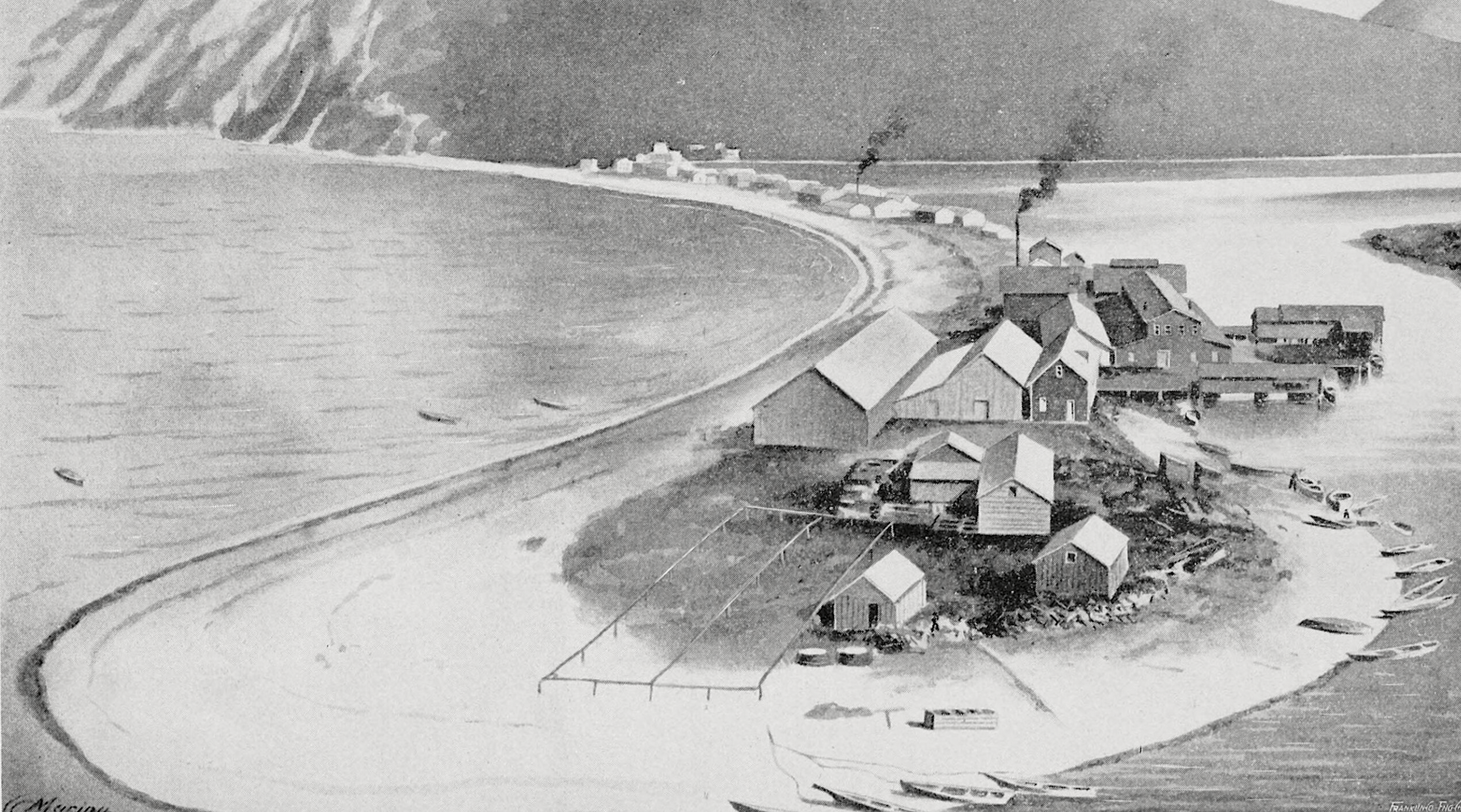
Alaska’s cannery history was marked by frequent, destructive fires, often devastating local economies and worker housing, forcing relocations and even closures. Between 1878 and 1950, 134 canneries were constructed, and of those, 65 burned and were not rebuilt; five burned and were rebuilt, but by the end of 1950, only 37 canneries were still in operation.
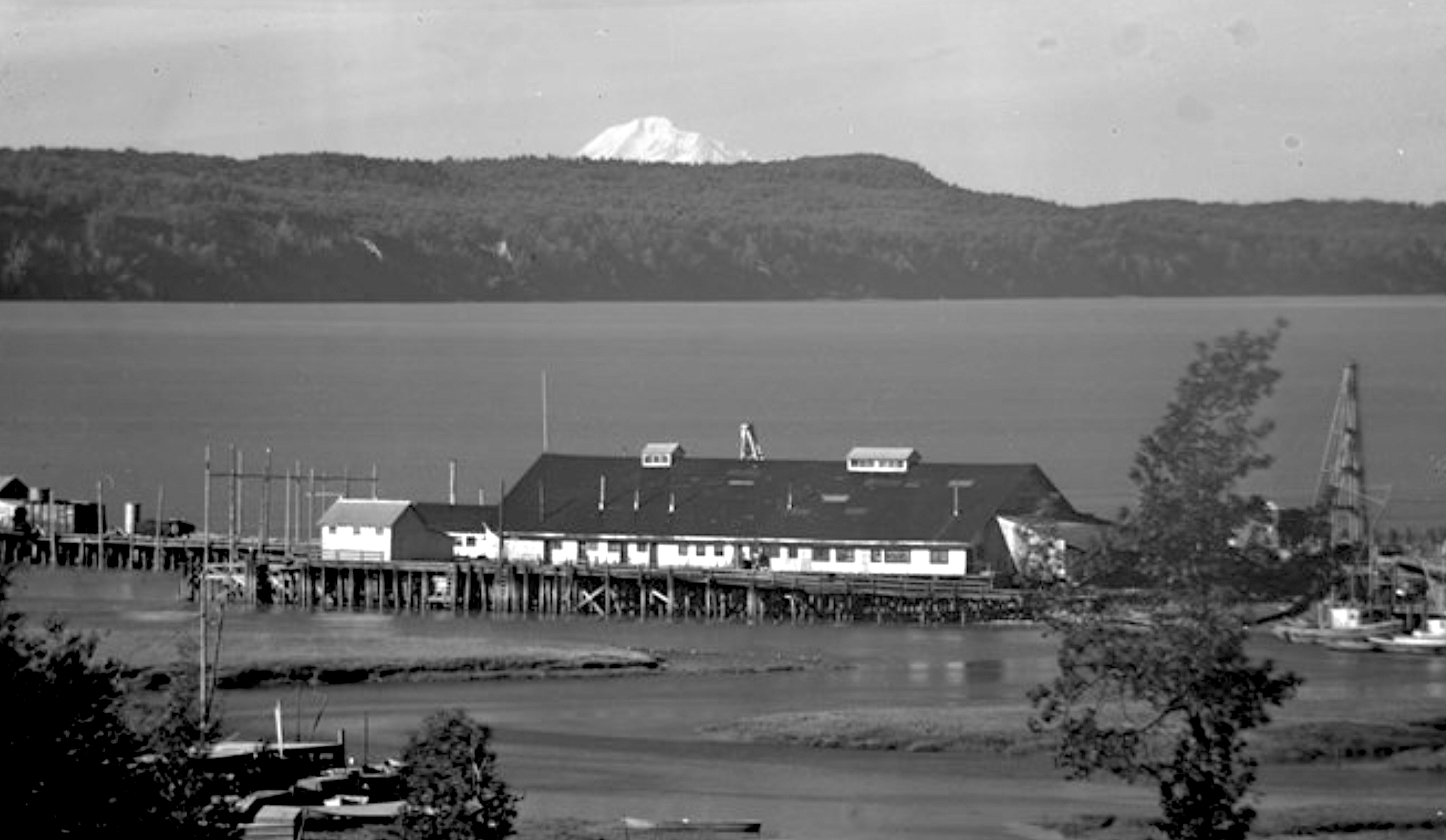
The seemingly endless abundance of previous years was not, however, sustainable, and while the early 20th century saw massive catches peaking around 1936, followed by significant declines, studies were undertaken, rules and laws were put in place, and recovery of the fisheries began through scientific management by the state. Modern management practices by the Alaska Department of Fish and Game has resulted in Alaska becoming the world’s largest producer of sustainable wild salmon. ~•~
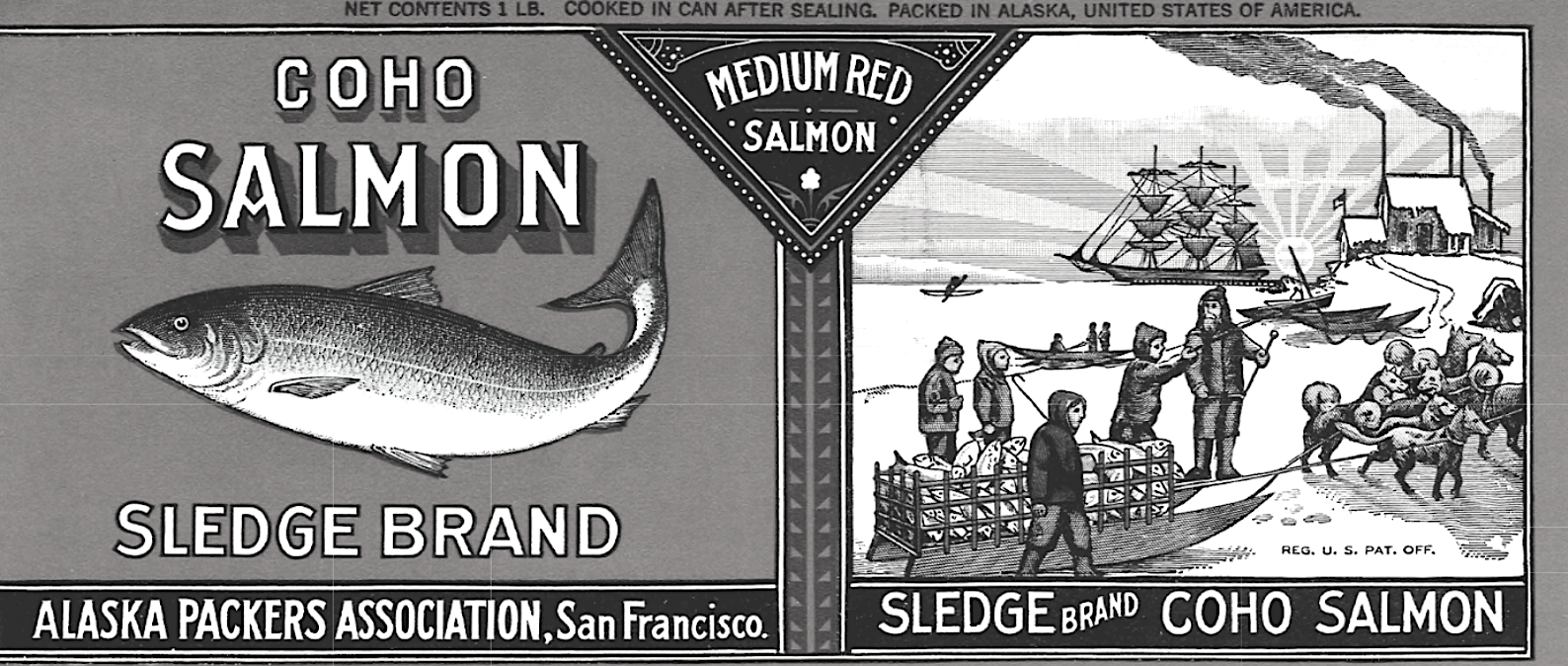
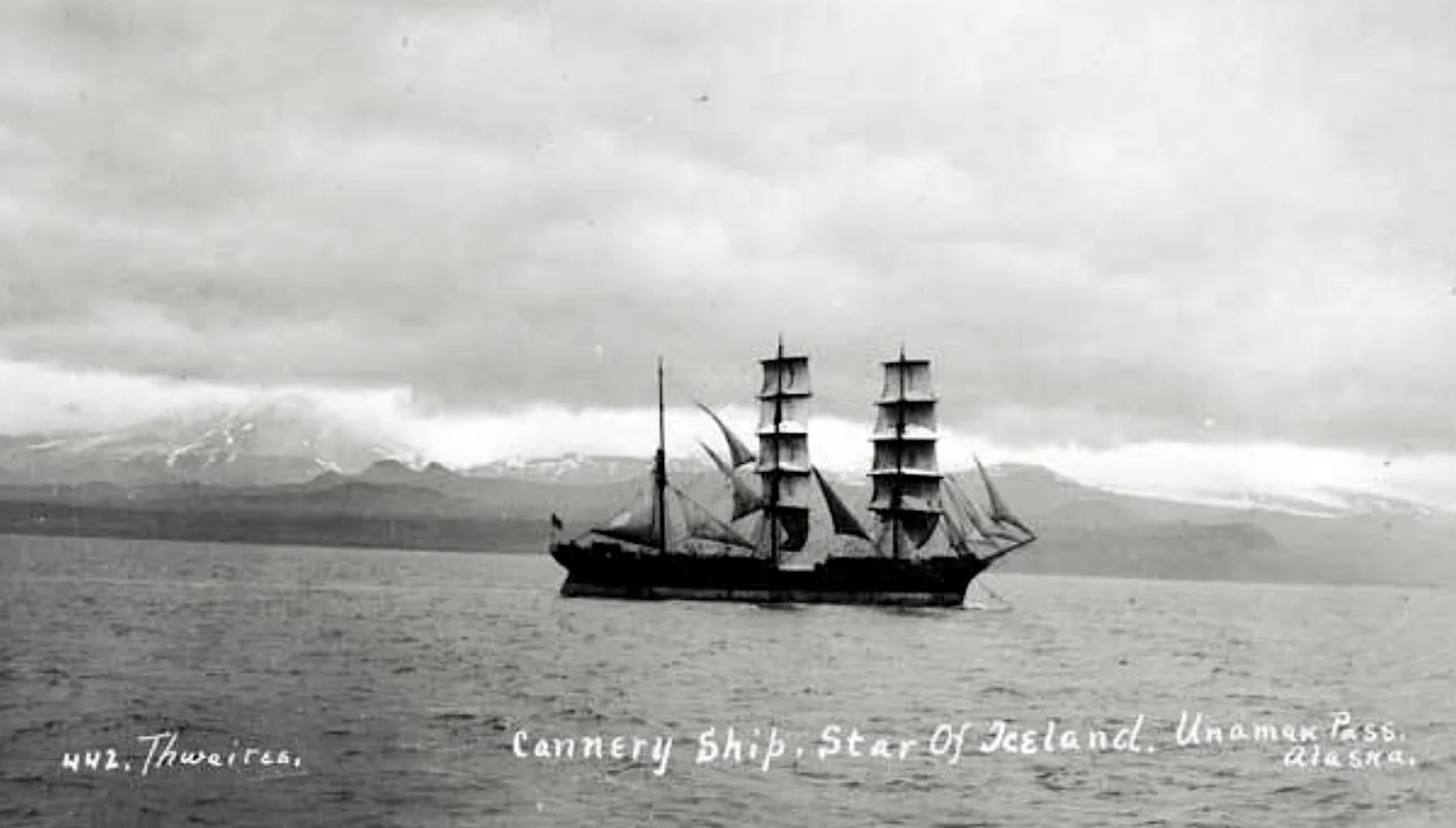
The Alaska Packers’ Association is best known for operating the “Star Fleet,” the last fleet of commercial sailing vessels on the West Coast of North America. Their tall ships reigned until around 1930, when most of the sailing ships were replaced with steam or diesel powered ships, but the company maintained the “Star of” naming protocol.
Cannery ship, “Star of Iceland,” at Unamak Pass in the Aleutian Islands, circa 1920
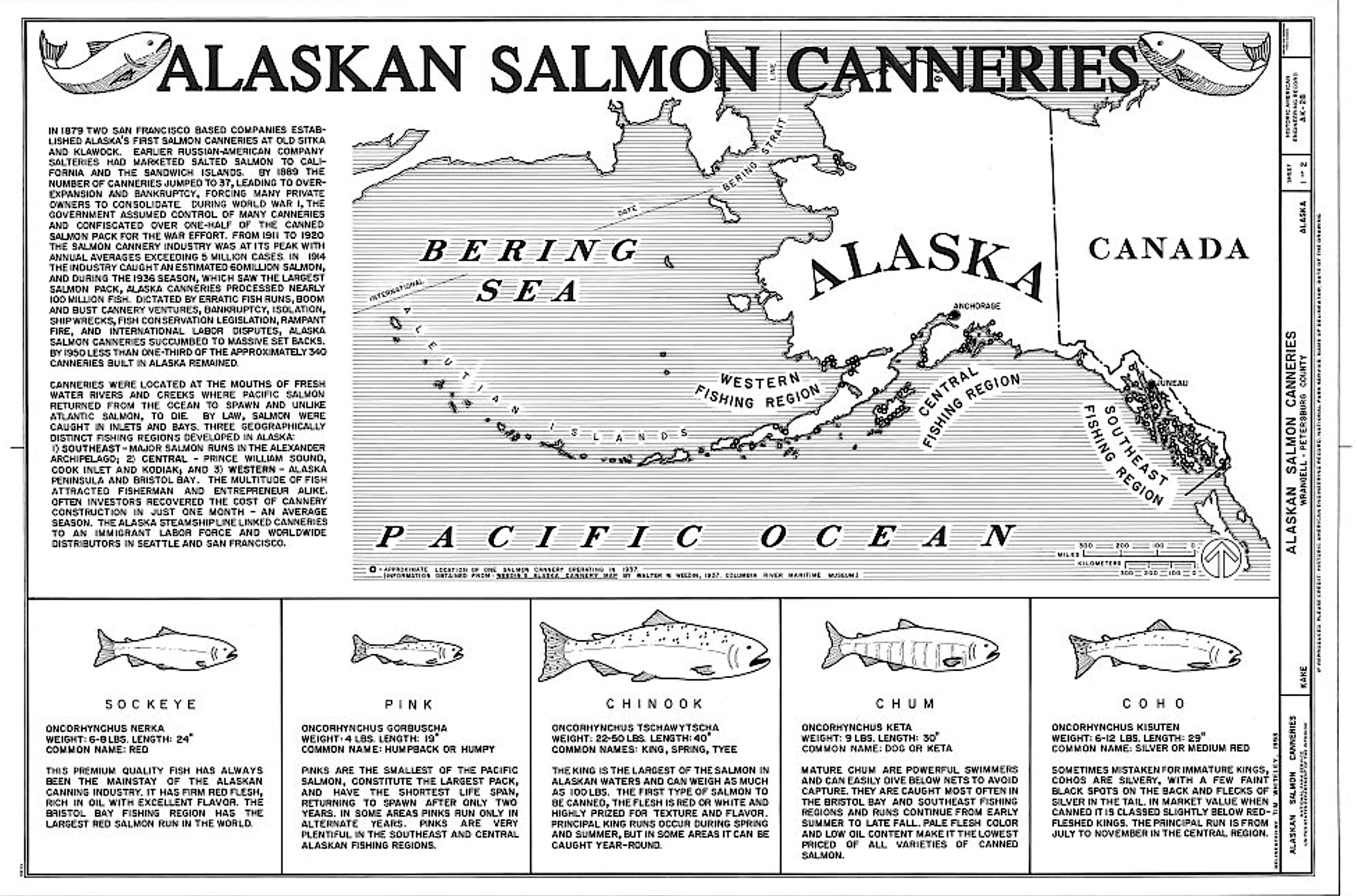
The text below is from the sidebar in the graphic above, which is part of the Historic American Engineering Record at the Library of Congress (HAER AK-28):
In 1879 two San Francisco based companies established Alaska’s first salmon canneries at Old Sitka and Klawock. Earlier Russian-American Company salteries had marketed salted salmon to California and the Sandwich Islands. By 1889 the number of canneries jumped to 37, leading to over-expansion and bankruptcy, forcing many private owners to consolidate.
During World War I, the government assumed control of many canneries and confiscated over one-half of the canned salmon pack for the war effort. From 1911 to 1920 the salmon cannery industry was at its peak with annual averages exceeding 5 million cases.
In 1914 the industry caught an estimated 60 million salmon, and during the 1936 season, which saw the largest salmon pack, Alaska canneries processed nearly 100 million fish. Dictated by erratic fish runs, boom and bust cannery ventures, bankruptcy, isolation, shipwrecks, fish conservation legislation, rampant fire,and international labor disputes, Alaska salmon canneries succumbed to massive set backs. By 1950 less than one-third of the approximately 340 canneries built in Alaska remained.
Canneries were located at the mouths of fresh water rivers and creeks where Pacific salmon returned from the ocean to spawn and unlike Atlantic salmon, to die. By law, salmon were caught in inlets and bays. Three geographically distinct fishing regions developed in Alaska: 1) Southeast – Major salmon runs in the Alexander Archipelago; 2) Central – Prince William Sound, Cook Inlet and Kodiak; and 3) Western – Alaska Peninsula and Bristol Bay. The multitude of fish attracted fisherman and entrepreneur alike. Often investors recovered the cost of cannery construction in just one month – an average season. The Alaska Steamship Line linked canneries to an immigrant labor force and worldwide distributors in Seattle and San Francisco. ~•~














 Northern Light Media